
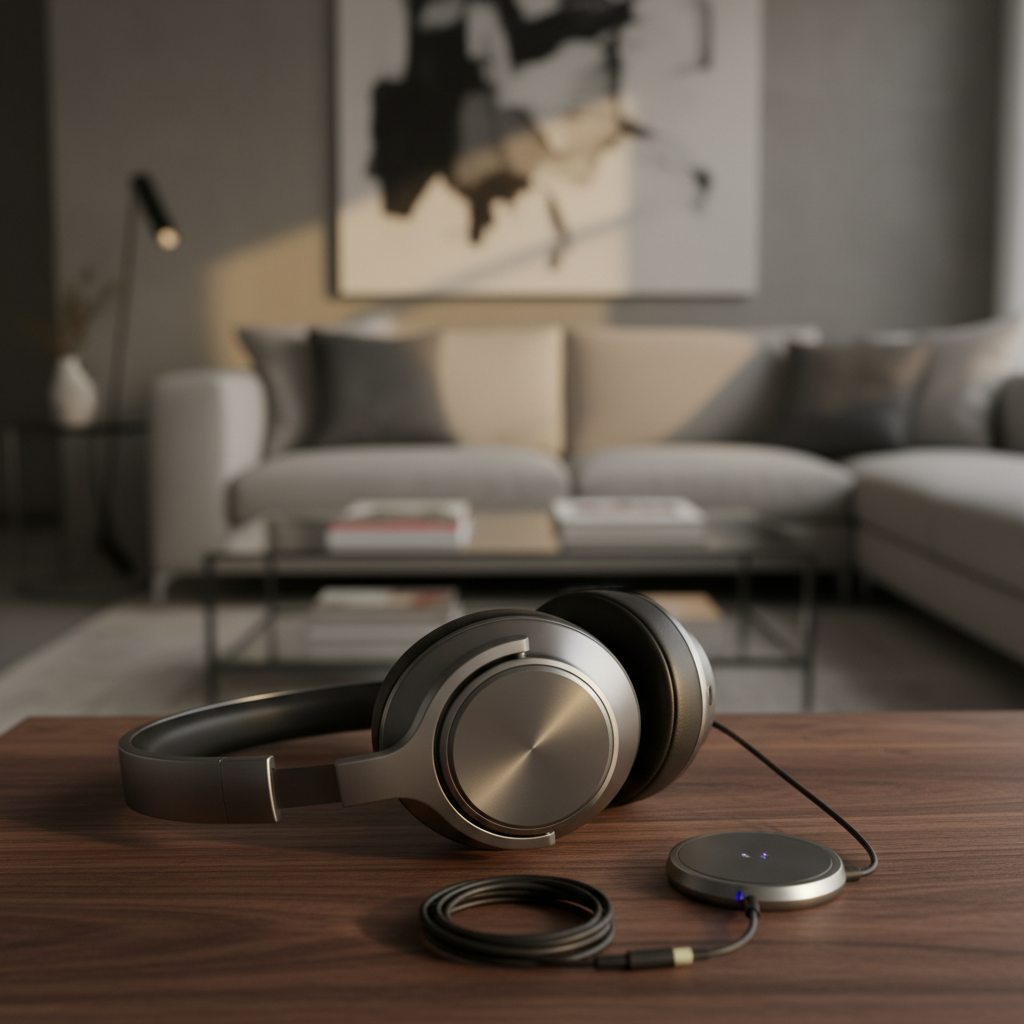
Unleashing Your Inner Audiophile: Decoding the Wireless Headphone Market (2024 Edition)
Tired of tangled wires and subpar sound? The wireless headphone market is a vibrant, sometimes overwhelming, landscape. This guide cuts through the noise, helping you choose the perfect pair to elevate your listening experience.
Understanding Wireless Technologies: Bluetooth & Beyond
Most wireless headphones rely on Bluetooth technology. Look for models supporting Bluetooth 5.0 or higher for improved range (up to 10 meters typically) and lower power consumption. Advanced codecs like aptX Adaptive or LDAC offer superior audio quality, especially for lossless music files, by delivering higher bitrates (e.g., LDAC can transmit up to 990 kbps). Consider your primary playback device’s codec support.
Form Factor & Fit: Comfort is Key
Wireless headphones come in various styles: true wireless earbuds (like Apple AirPods Pro 2, offering up to 6 hours playtime per charge), on-ear, and over-ear. Over-ear headphones generally provide better passive noise isolation and often larger drivers (e.g., 40mm dynamic drivers), leading to richer bass. True wireless earbuds prioritize portability but may require finding the right ear tips for a secure, comfortable fit.
Noise Cancellation: ANC vs. Passive Isolation
Active Noise Cancellation (ANC) uses microphones to counteract ambient noise, ideal for travel or noisy environments. Premium ANC headphones, like the Sony WH-1000XM5, can reduce low-frequency hums by up to 90%. Passive noise isolation, achieved through a headphone’s physical design, is effective against higher-frequency sounds. Evaluate your typical listening environment to prioritize your needs.
Tip: Many modern wireless headphones now feature multi-point connectivity, allowing seamless switching between two devices (e.g., your laptop and smartphone) without re-pairing – a true convenience hack for busy professionals!
