In a world saturated with digital sound, the pursuit of pristine audio quality has led many down the rabbit hole of high-fidelity equipment. For discerning listeners, a Digital-to-Analog Converter (DAC) is no longer an obscure acronym but a foundational component. This article dives deep into the realm of high-resolution audio DACs, offering practical insights and demystifying the technical jargon to help you elevate your listening experience.
What is a DAC and Why Does it Matter?
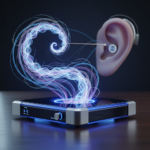
At its core, a DAC translates digital audio signals – those ones and zeros from your computer, smartphone, or streaming device – into the analog waveforms that your headphones or speakers can understand. While every device has a built-in DAC, external and dedicated high-resolution DACs go a step further. They employ superior components, advanced processing algorithms (like oversampling filters), and dedicated power supplies to minimize noise and distortion, resulting in a cleaner, more accurate, and ultimately more enjoyable sound.
Key Specifications: Navigating the Technical Landscape
When selecting a high-res DAC, several technical specifications hold significant weight. Firstly, **sampling rate and bit depth** are crucial. A DAC capable of 24-bit/192kHz or even 32-bit/384kHz sampling rates can reproduce a wider dynamic range and finer details than standard CD quality (16-bit/44.1kHz). Another important spec is the **Signal-to-Noise Ratio (SNR)**. Expressed in decibels (dB), a higher SNR (e.g., 120dB+) indicates less background noise and a purer signal. Finally, consider the **Total Harmonic Distortion plus Noise (THD+N)**, a measure of unwanted noise and distortion. Lower THD+N values (e.g., 0.001%) signify a more faithful reproduction of the original audio. Understanding these metrics empowers you to make informed decisions beyond marketing hype.
Connectivity and Compatibility: Hooking Up Your High-Res Haven
Modern DACs offer a variety of input and output options. Common digital inputs include **USB (Type-B or C)** for connecting to computers and smartphones, **Optical (TOSLINK)** and **Coaxial (S/PDIF)** for integration with media players and TVs. On the output side, you’ll typically find **RCA stereo outputs** for connecting to amplifiers or powered speakers, and often a **3.5mm or 6.35mm headphone jack** for direct listening. Ensure your chosen DAC has the necessary inputs to connect to your source devices and suitable outputs to integrate with your existing audio setup. Some portable DACs also offer Bluetooth connectivity, often supporting high-quality codecs like LDAC or aptX HD for wireless high-res streaming.
Optional Tip: Look for DACs that support **MQA (Master Quality Authenticated)**, a technology that delivers studio-quality audio in smaller file sizes, perfect for high-resolution streaming services like TIDAL or Amazon Music HD. This ensures you’re getting the best possible audio fidelity from your digital music library, truly unleashing your inner audiophile.
Ever dreamed of audiophile-grade sound without the audiophile-grade price tag? This article will guide you through building a high-fidelity audio system on a budget, proving that incredible sound doesn’t require emptying your bank account. We’ll focus on smart component choices, understanding key specifications, and optimizing your listening environment.
Choosing Your Foundation: The Amp and Speakers Sweet Spot
The heart of any hi-fi system is the amplifier and speakers. For budget-conscious audiophiles, a used stereo amplifier, often an integrated amplifier, can offer incredible value. Look for models with a THD (Total Harmonic Distortion) of 0.05% or less for clean sound. Brands like NAD, Marantz, or Yamaha from the 90s and early 2000s often provide excellent performance. When selecting speakers, consider passive bookshelf speakers. Their smaller size often means better value for sound quality. Pay attention to sensitivity – speakers with a sensitivity of 88dB/W/m or higher are easier for lower-powered amplifiers to drive, meaning you’ll get more volume and impact with less effort from your amp.
The Source Material: Where Your Music Lives
Your source device significantly impacts sound quality. While dedicated CD players are excellent, a modern, budget-friendly option is a high-quality DAC (Digital-to-Analog Converter) paired with a streaming device or computer. A DAC like the Topping E30 II, with its S/N Ratio (Signal-to-Noise Ratio) of 121dB, can transform digital audio into a much richer analog signal. If streaming from your phone, ensure you’re using lossless formats like FLAC or ALAC for optimal fidelity, rather than lossy MP3s that discard audio information.
Beyond the Gear: Optimizing Your Listening Environment
Even the most expensive equipment will sound subpar in a poorly treated room. Simple, budget-friendly room treatments can dramatically improve your sound. Experiment with speaker placement, moving them away from walls to reduce bass boom. Heavy curtains, rugs, and even strategically placed bookshelves can absorb reflections and reduce echo, leading to a clearer, more defined soundstage. Angling your speakers slightly towards your listening position (toe-in) can also enhance stereo imaging.
Cables and Connectors: Don’t Break the Bank, But Don’t Skimp
While exotic audiophile cables can be wildly expensive with questionable benefits, using decent quality cables is important. For speaker wire, 14-gauge or 16-gauge oxygen-free copper (OFC) wire is sufficient for most setups under 100 watts per channel. For RCA interconnects between components, look for well-shielded cables to prevent interference. You don’t need to spend a fortune, but avoid the cheapest, thinnest options. A good quality, braided copper wire for speaker connections, for example, provides more reliable signal transfer than thin, poor-quality alternatives.
Tip: Explore an app like “Room EQ Wizard” (REW) with a basic USB microphone to analyze your room’s acoustics and pinpoint problematic frequencies for targeted, budget-friendly treatment using household items or DIY panels. This can dramatically improve sound quality beyond just component upgrades.
The world of audio has gone untethered, and wireless headphones are no longer a luxury but an expectation. With countless models flooding the market, choosing the right pair can feel like navigating a sonic maze. This article will help you cut through the noise, offering practical advice to elevate your listening experience whether you’re a discerning audiophile, a casual listener, or a DIY enthusiast looking to optimize your setup.
Bluetooth Headphone Fundamentals: Codecs and Connectivity
Understanding the core technologies behind wireless headphones is crucial. The primary connection method is Bluetooth, but not all Bluetooth is created equal. Audio codecs like aptX, LDAC, and AAC significantly impact sound quality. For instance, LDAC boasts a maximum bit rate of 990 kbps, offering near-lossless audio transmission, a stark contrast to basic SBC’s typical 320 kbps. When choosing, consider your device compatibility; an iPhone, for example, primarily supports AAC for high-quality Bluetooth audio. Look for headphones with Bluetooth 5.0 or newer for improved range and power efficiency.
Noise Cancellation: ANC vs. Passive Isolation
The ability to block out distractions is a major draw for wireless headphones. Active Noise Cancellation (ANC) utilizes microphones to detect ambient sound and generate opposing sound waves, effectively canceling out low-frequency hums. Passive noise isolation, on the other hand, relies on the physical design of the earcups and eartips to create a seal. While ANC is excellent for commuting or open-plan offices, it often comes with a higher price tag and can sometimes introduce a subtle “pressure” sensation. For critical listening in quieter environments, well-designed passive isolation can be equally effective.
Battery Life and Charging Conveniences
One of the most practical considerations for wireless headphones is battery life. Modern headphones often offer between 20-40 hours of playback on a single charge, with some models extending much further. Fast charging capabilities are also becoming standard, providing several hours of listening enjoyment from just a 10-15 minute charge. Consider cases with integrated power banks for extended trips. USB-C is now the ubiquitous charging standard, ensuring compatibility with most modern devices.
Optimizing Your Listening Experience: Tips and Tricks
Beyond the hardware, there’s much you can do to enhance your wireless headphone experience. Experiment with different ear tip sizes and materials to achieve the best possible seal for passive noise isolation and optimal bass response. Many headphones come with companion apps that allow for EQ adjustments, firmware updates, and even spatial audio customization. Don’t underestimate the power of a good audio source; even the best headphones can’t fix a low-quality audio file. For DIY enthusiasts, exploring aftermarket ear pads can often improve comfort and alter the sound signature to your preference. A recent innovation worthy of mention is multipoint connectivity, allowing seamless switching between two devices without re-pairing, perfect for working on your laptop and taking calls on your phone.
Tired of tangled wires and subpar sound? The wireless headphone market is a vibrant, sometimes overwhelming, landscape. This guide cuts through the noise, helping you choose the perfect pair to elevate your listening experience.
Understanding Wireless Technologies: Bluetooth & Beyond
Most wireless headphones rely on Bluetooth technology. Look for models supporting Bluetooth 5.0 or higher for improved range (up to 10 meters typically) and lower power consumption. Advanced codecs like aptX Adaptive or LDAC offer superior audio quality, especially for lossless music files, by delivering higher bitrates (e.g., LDAC can transmit up to 990 kbps). Consider your primary playback device’s codec support.
Form Factor & Fit: Comfort is Key
Wireless headphones come in various styles: true wireless earbuds (like Apple AirPods Pro 2, offering up to 6 hours playtime per charge), on-ear, and over-ear. Over-ear headphones generally provide better passive noise isolation and often larger drivers (e.g., 40mm dynamic drivers), leading to richer bass. True wireless earbuds prioritize portability but may require finding the right ear tips for a secure, comfortable fit.
Noise Cancellation: ANC vs. Passive Isolation
Active Noise Cancellation (ANC) uses microphones to counteract ambient noise, ideal for travel or noisy environments. Premium ANC headphones, like the Sony WH-1000XM5, can reduce low-frequency hums by up to 90%. Passive noise isolation, achieved through a headphone’s physical design, is effective against higher-frequency sounds. Evaluate your typical listening environment to prioritize your needs.
Tip: Many modern wireless headphones now feature multi-point connectivity, allowing seamless switching between two devices (e.g., your laptop and smartphone) without re-pairing – a true convenience hack for busy professionals!
In an era dominated by streaming services and digital downloads, the resurgent popularity of record players stands as a testament to the enduring appeal of analog music consumption. Once relegated to the annals of nostalgia, record players have experienced a remarkable revival, redefining the landscape of modern music consumption. Today, vinyl records are not merely relics of a bygone era but vibrant symbols of a thriving culture, influencing how we engage with music on a fundamental level.
In recent years, the market for refurbished AV receivers has witnessed a surge in popularity, offering a tantalizing prospect for those seeking a harmonious blend of affordability and performance. These rejuvenated audio powerhouses, once returned or repaired, find themselves back on the shelves, ready to enhance home entertainment setups. As we embark on this exploration, our aim is to unravel the mysteries surrounding these second-hand champions, unraveling the potential advantages they bring, as well as the pitfalls that may lurk beneath the surface. From the eco-conscious appeal of reducing electronic waste to the economic appeal of cost savings, the positives beckon, yet the potential drawbacks, such as limited warranties and the specter of wear and tear, demand careful consideration.
Making a sub bass in FL Studio is an essential skill for any producer. In this article, we’re going to show you how to create a deep and punchy sub bass using different techniques.
We use cookies and other tracking technologies to improve your browsing experience on our website, to show you personalized content and targeted ads, to analyze our website traffic, and to understand where our visitors are coming from.
Sign up for the Our Digital Planet
Our biweekly newsletter that shares the latest marketing news and trends,
alongside updates from the Our Digital Planet Inc. family of brands.